Design Series by DAAA Haus: What type of office design is best for productivity and engagement?
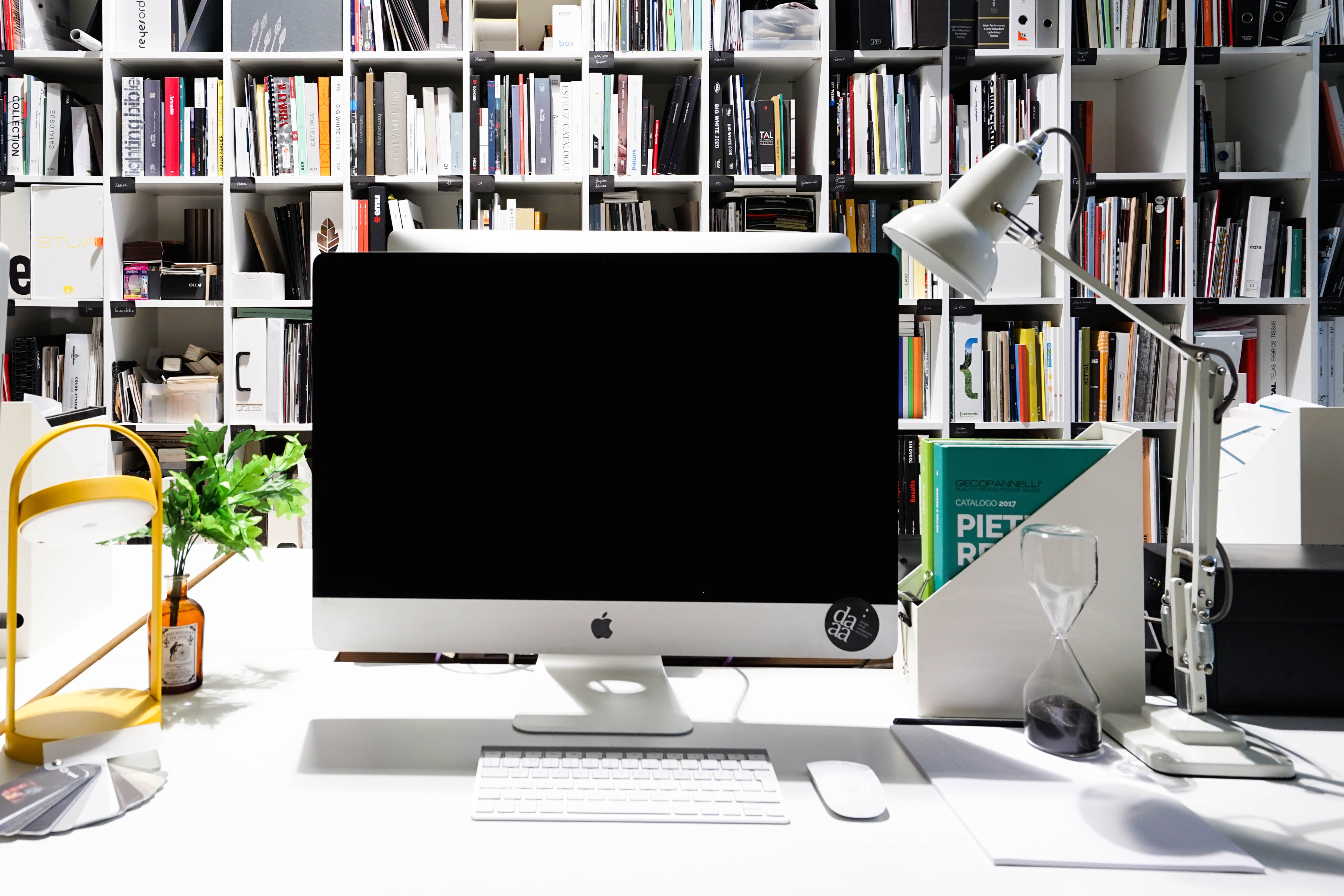
THE ARCHITECTURE OF SOCIAL INTERACTION
Contrary to the current buzzword of ‘social distancing’, Keith Pillow, Founder and Creative Director of the interior design and architecture group, DAAA Haus, explains the importance of social interaction at the workplace. During times when everyone is living online in isolation locked in a room, with hours of virtual meetings, Keith shares some important facts about office design encouraging social interaction.
The best office design layouts create a sense of collaboration and creativity. Research shows that by designing good open-plan spaces, productivity increases. This kind of space encourages cross-functional collaborations, enhances exposure to different kinds of expertise, and accelerates creativity and innovation; whilst retaining talent. Advances in technology in lighting, ventilation and clean, safe innovative surface materials, make office design smoother.
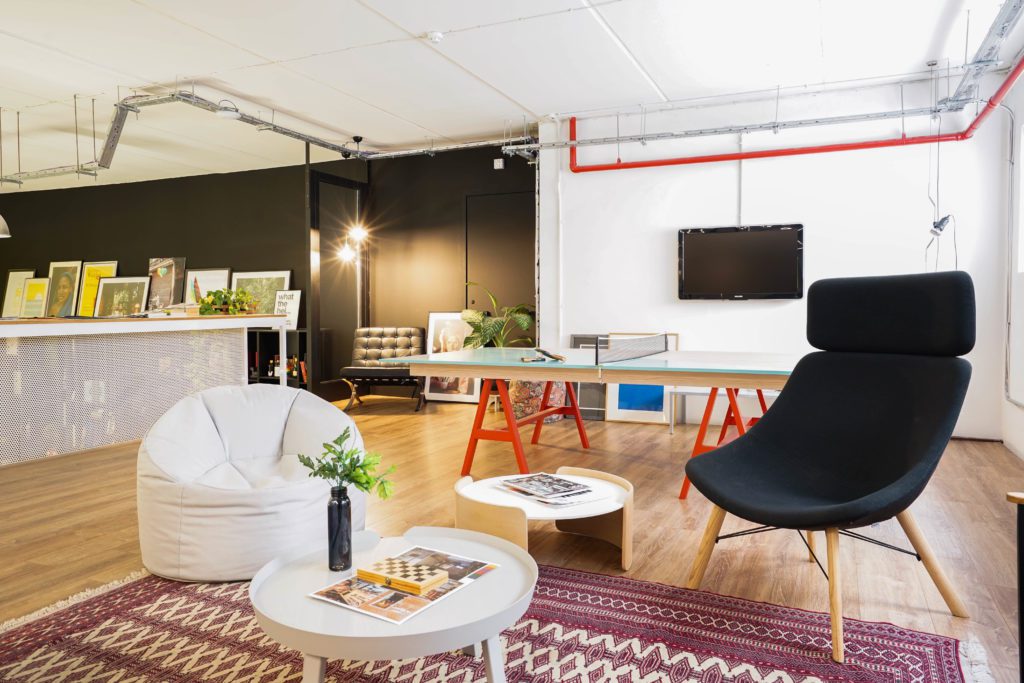
In an open-plan office, you are likely to see rows/clusters of desks with little or nothing dividing them. They also tend to have spaces where employees can congregate or change their environments, such as couch lounges, or open kitchen areas with plenty of seating.
Organizations such as Google, Facebook, and Microsoft devoted millions of dollars in researching this. Replacing cubicles and traditional private offices with large open spaces, and a mix of smaller team spaces for collaborative work, and pods for private conversations is today’s norm. Furniture tends to also be adjustable so that it can be moved and modified to meet an employee’s needs and adapt to rapidly changing work demands.
This does not mean that space planning is neither easy nor simple. When an open office design is not adequate it results in being counter-productive and can create chaos. Therefore, if you are planning to move office or redesigning your existing one, the following are the steps to consider assisting you to build the best solution for your company and encourage safe social team interaction.
SHARE THE VISION WITH THE TEAM BEFOREHAND
While one might assume that the soul and identity of a company office begin after workers move into the space, we discovered that communicating the vision and purpose of the new office space before moving in, is key for employees to connect to the space, feeling comfortable and embrace it.
In contrast, when workers are not prepared with a clear vision of the space beforehand, they are more likely to perceive it as potentially a way of cutting costs and therefore express more resistance and dissatisfaction.
BE ENTHUSIASTIC ABOUT THE NEW SPACE
The leader/management’s attitude towards the surroundings provides a critical source of information about how the new space aligns with the business and its modus operandi. Over the years we have noticed that when leaders convey positive messages about the space, expressing enthusiasm, workers felt better about it. On the other hand, when leaders exhibit frustration or resistance to the change, the frustration trickles down to the employees and reduces their sense of pride in the new environment.
EMPLOYING A PROFESSIONAL TO DESIGN YOUR WORKSPACE
Studies show that while the physical attributes of a space are imperative, the place identity plays an equally important role. The office design you opt for should factor in what you do and the personalities of the people working there. Do not underestimate the influence that the design of your office can have, not only on how your staff will work but also how the public will react to your business. Let your office space stand as a representation of your business brand and what you offer to your customers. Each space will have a unique purpose and the best designers take that into account.
ENCOURAGE EMPLOYEES TO PERSONALISE THEIR SPACE TO THEIR NEEDS
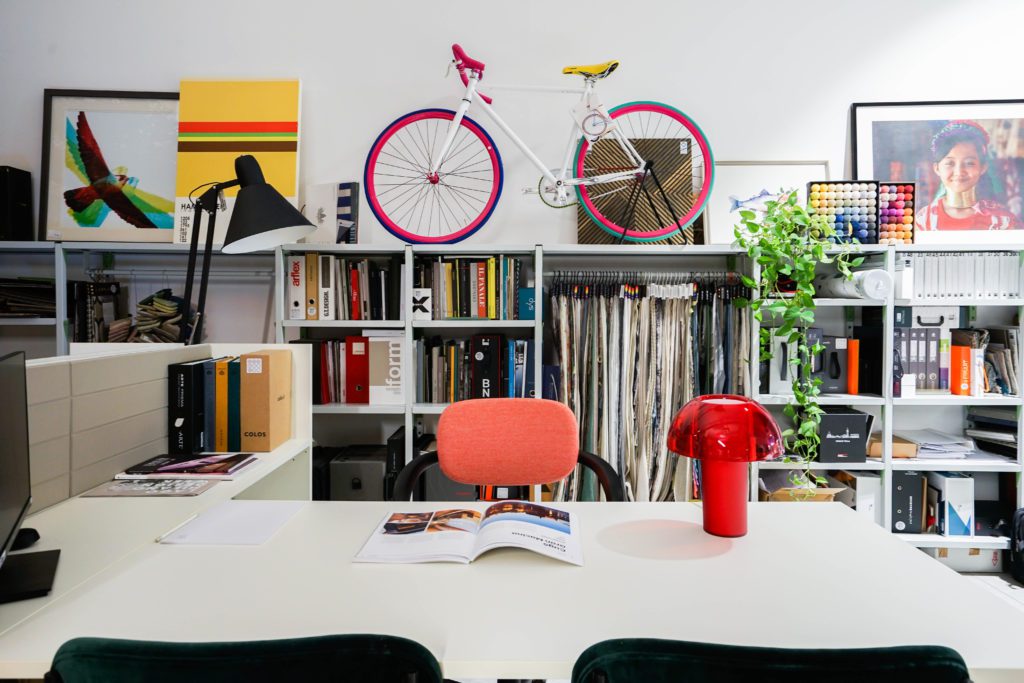
When workers can personalize their space, they feel closer to it building a stronger place identity. In the end, the spaces tend to be more colourful and human. When leaders encourage adaptation, workers feel comfortable claiming the space as their own, reporting more place identity and generally feel better about the company office policies such as privacy, noise, cooling and lighting.